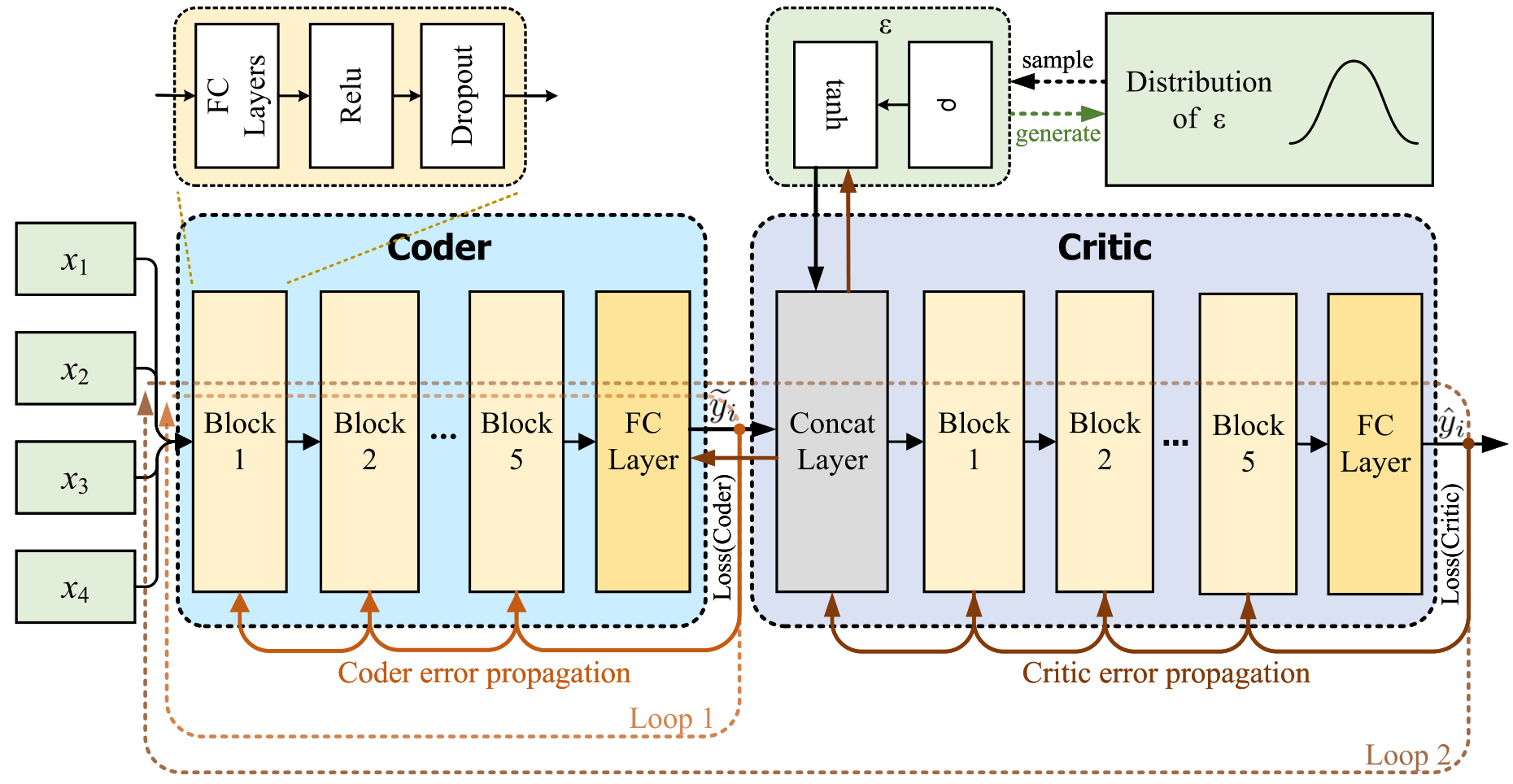
I study the dynamics of physical systems and develop learning methods for their control and optimization. My work connects models of evolving physical states with decisions about system operation and manufacturing conditions. I am particularly interested in neural operators for distributed dynamics and in how model errors affect the resulting decisions.
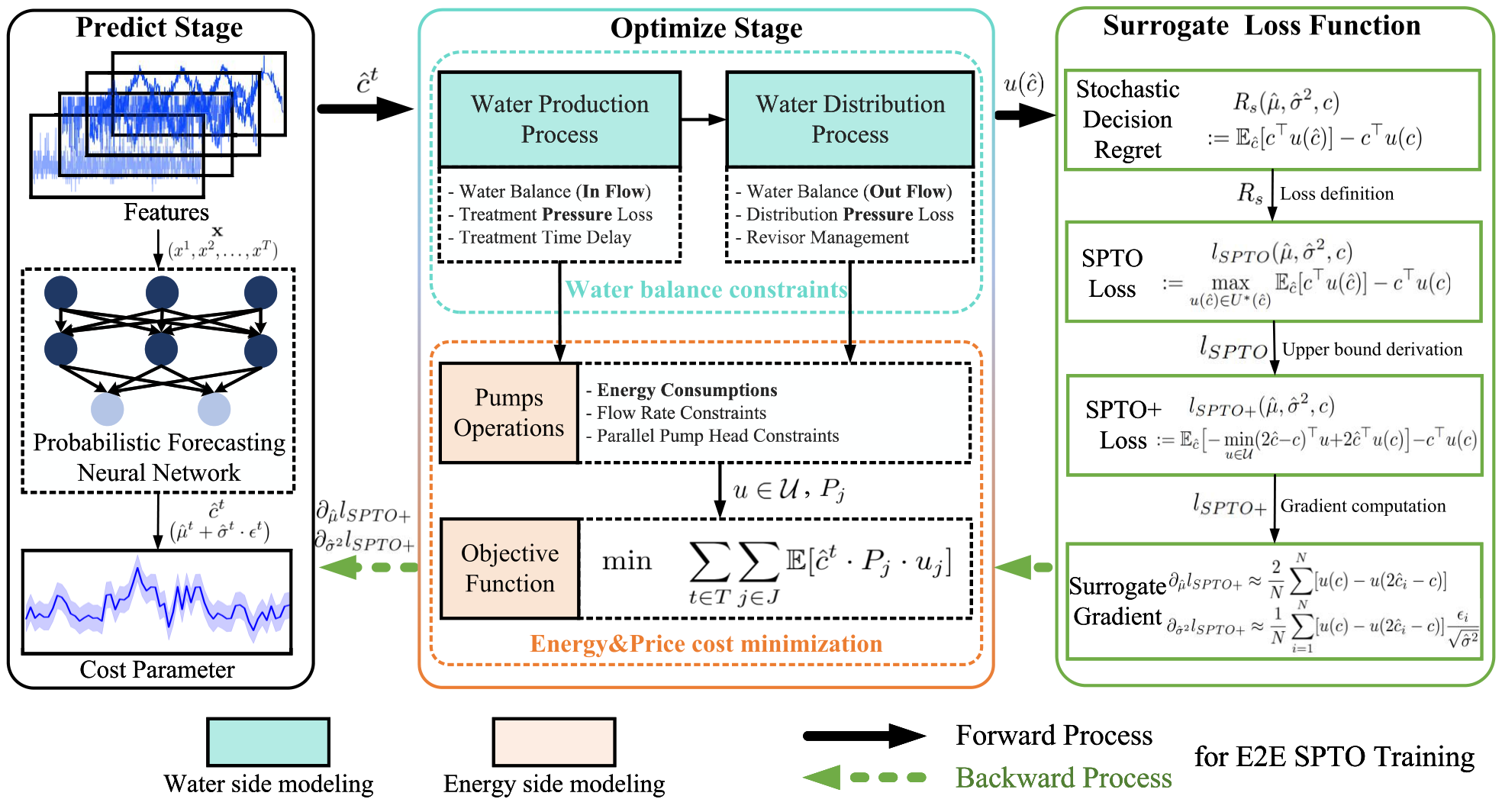
My engineering interests lie in water-energy systems, with a current emphasis on the dynamics and sustainable operation of integrated multi-energy systems serving data centers. I am interested in how computing demand interacts with cooling and energy supply, and how these interactions affect energy and water use alongside carbon emissions.
My scientific work focuses on dynamic modeling and optimization for precision materials manufacturing. I work with Professor Fengqi You to model how material structure evolves during processing and to optimize processing conditions for desired structures.
I am an Ezra Systems Postdoctoral Associate in Systems Engineering at Cornell University. I completed my Ph.D. at Shanghai Jiao Tong University in 2026, advised by Professor Jingcheng Wang.
Research
Three research directions form one sequence. A shows data center water-energy coupling and a sequence of evolving material structures. B shows a neural operator mapping an input field to a predicted state. C shows an illustrative state trajectory under a constraint and an input schedule. The solid arrows connect learning, optimization, and physical action. A dashed arrow returns decision error to model training.
Joined Cornell University as an Ezra Systems Postdoctoral Associate! I work with Professor Fengqi You on dynamic modeling and optimization for precision materials manufacturing.
Invited to review for ICLR 2027!
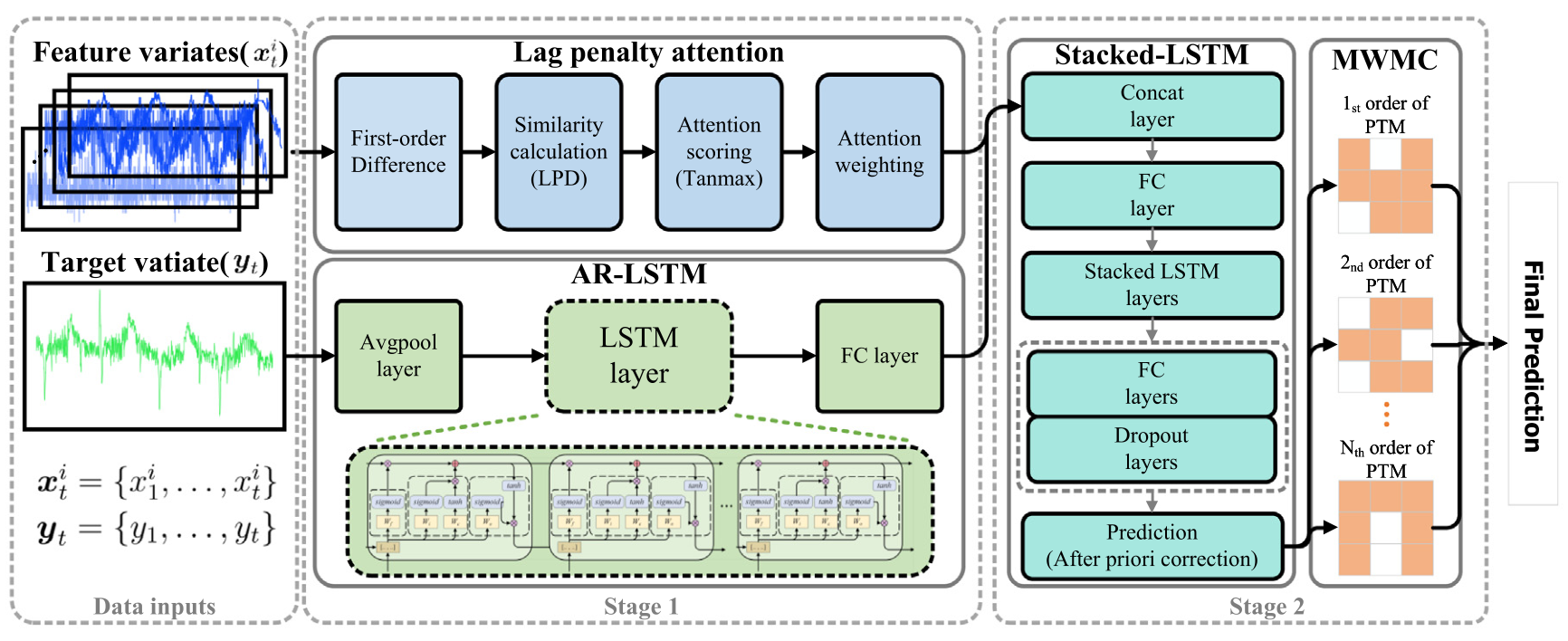
DRIFT appeared in Expert Systems with Applications.
Received my Ph.D. from Shanghai Jiao Tong University! I thank my advisor, Professor Jingcheng Wang, and my labmates for six good years.
I reviewed for ICLR in the 2025 and 2026 cycles and have been invited for 2027. I have also reviewed for ICML, NeurIPS, AAAI, and CDC, and for five IEEE Transactions journals, Scientific Reports, and Socio-Economic Planning Sciences.
We chase money and status largely for the life they can buy. If AI expands supply and makes that life affordable to more people, climbing the hierarchy becomes less necessary and following an interest becomes easier. If the bubble bursts without delivering those gains, why panic about missing a revolution that never arrived?